
- Published on
- Views
The Story of Claude Fable 5 & Project Glasswing: How AI Is Becoming the World's Best Security Guard
- Authors

- Name
- Javed Shaikh
🔍 The Hook: There's a Tiny Crack Nobody Noticed

Imagine this. You open your favourite UPI app to pay ₹500 at a local shop. The app looks perfect. It works perfectly. But hidden deep inside its code, there is a tiny flaw — like a hairline crack in the wall of a building. You can't see it. The developers who built it can't easily see it either. But a clever criminal who knows where to look? They can find it, sneak through it, and cause real damage.
This kind of hidden flaw has a name: a vulnerability. And here is the scary part — some of these cracks have existed for 10, 15, even 27 years inside software that billions of people use every day.
Now here is where the story gets interesting.
Anthropic — an AI safety company — has built an artificial intelligence so powerful at reading and writing code that it can find these hidden cracks faster than any team of human experts. And they have used it to launch something remarkable: Project Glasswing.
🤖 Meet the Characters: Fable 5 and Mythos 5
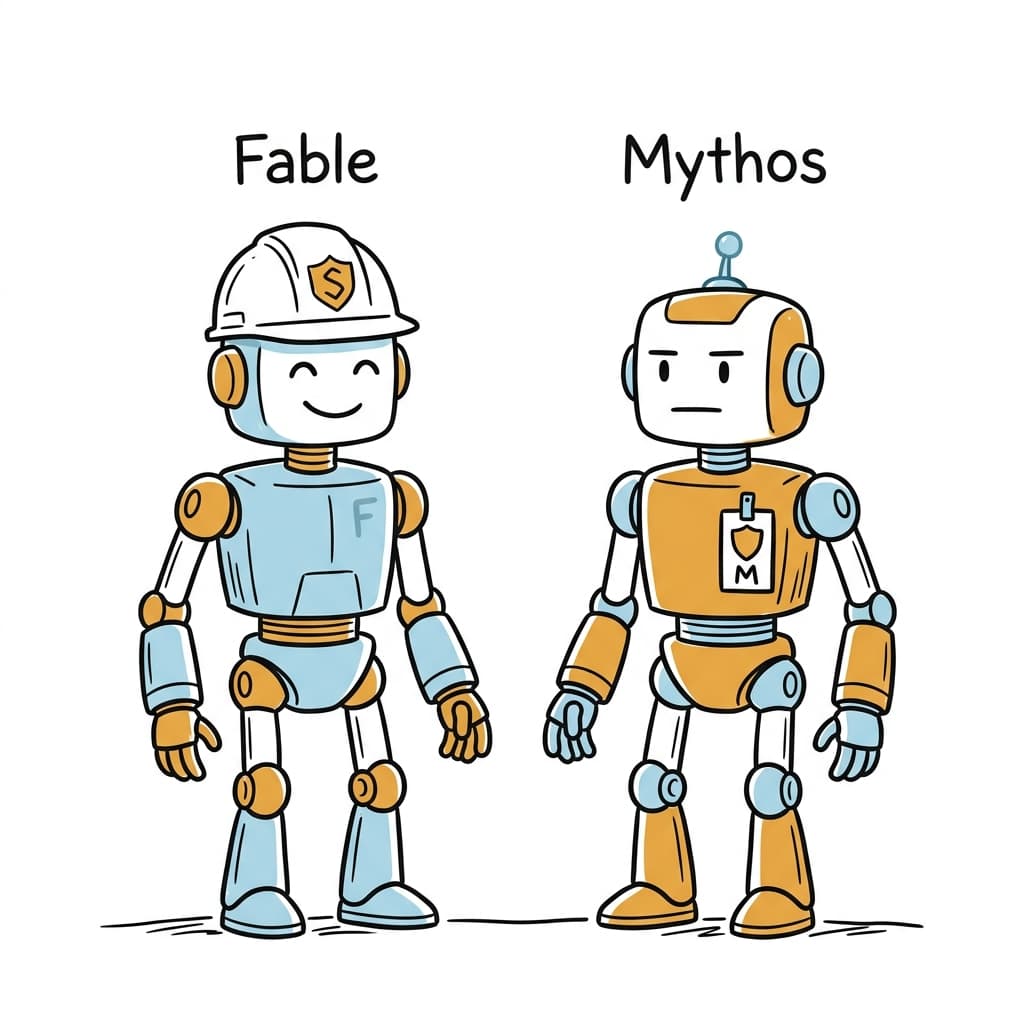
Think of Claude Fable 5 and Claude Mythos 5 as twin siblings — born from the same powerful AI brain, but raised for different jobs.
Fable 5 — The Friendly Twin
Claude Fable 5 is the version you and I can use. Think of it like a super-smart assistant that lives in your browser or app. It can write code, explain complex topics in plain language, help you build a website, or draft an email — all in seconds.
It also comes with safety guardrails, like the automatic brakes on a modern car. It won't help anyone do harmful things. It's built to be useful and trustworthy for everyone.
And Fable 5 is genuinely impressive:
- It scored 80.3% on SWE-Bench Pro — a test where AI models are given real software bugs to fix, the same bugs that stump human engineers.
- It helped one major payment company complete a massive code migration — a task that would normally take a team of engineers several weeks — in a single day.
Mythos 5 — The Specialist Twin
Claude Mythos 5 is different. It is not available to the general public. It is used only by trusted security researchers, government agencies, and defence teams — under strict oversight.
Mythos 5 has fewer restrictions because the people using it are trained professionals doing serious cyber-defence work. Think of it like the difference between a kitchen knife and a surgeon's scalpel. Both are sharp. But the scalpel is reserved for experts who know exactly how to use it safely.
This is where Project Glasswing comes in.
🌍 The Big Problem: Why Project Glasswing Exists
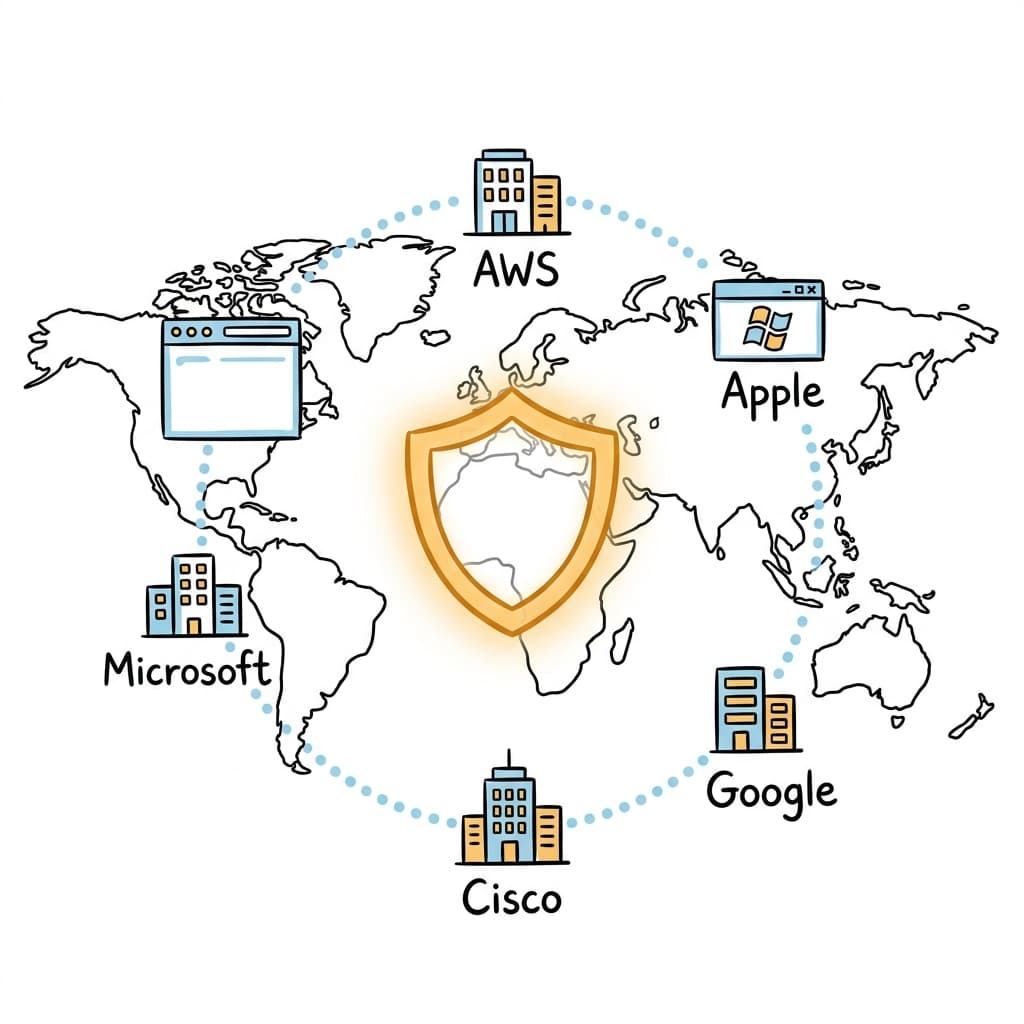
Here is the problem Anthropic discovered. When they tested an earlier version of Mythos — called Mythos Preview — on real software, something surprising happened. The AI started finding serious security bugs in operating systems and browsers used by billions of people.
We're talking about:
- A 27-year-old bug hiding in OpenBSD — a core operating system used in servers around the world.
- A 16-year-old bug buried in FFmpeg — the software that handles video playback on almost every device.
These bugs had been sitting there, undiscovered, for longer than many of today's engineering students have been alive.
Now, picture this from two angles:
If a criminal got hold of this AI and found these bugs first, they could use them to attack banks, hospitals, or government systems before anyone could patch the cracks. Cybercrime already costs the world around $500 billion every year. AI that finds bugs faster could make that number much, much worse.
But if defenders found these bugs first, they could quietly fix them before any criminal ever knew they existed.
Anthropic chose the second path. They assembled what can only be described as a team of digital superheroes.
Project Glasswing brings together: Anthropic, AWS, Apple, Google, Cisco, Microsoft, JPMorgan Chase, the Linux Foundation, and more — all working as one team. Their mission: find the hidden cracks before the criminals do, then fix them.
The name "Glasswing" is inspired by the glasswing butterfly — a creature that is transparent yet remarkably resilient. The project aims to create digital defences that are open, trustworthy, and strong.
📊 The Results: What Has Glasswing Found So Far?
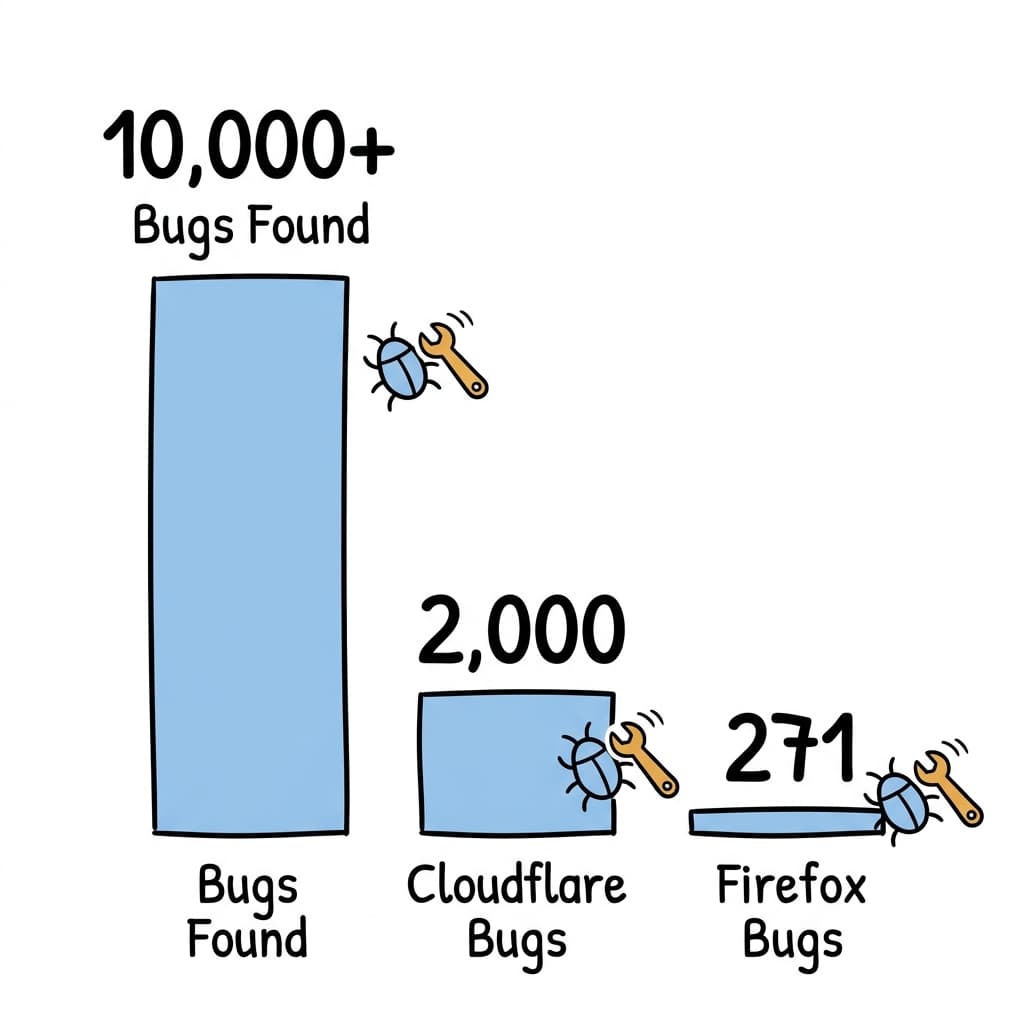
The early results are extraordinary. Think of the AI as a digital security guard working 24 hours a day, 7 days a week, never tired, never distracted.
In just the first month of Project Glasswing:
- 10,000+ high-severity bugs were found across critical software used by billions of people.
- Cloudflare (a company that protects websites from attacks) found 2,000 bugs in their systems — 400 of them serious enough to cause real damage if exploited.
- Mozilla (the team behind Firefox browser) found 271 vulnerabilities — that's 10 times more than their best human security teams had ever found in the same timeframe.
- One bank partner used the AI to detect and stop a fraudulent wire transfer of $1.5 million before the money left the account.
These numbers are not small wins. They represent thousands of potential disasters that were quietly prevented — without most people ever knowing they were at risk.
🇮🇳 What Does This Mean for India and You?
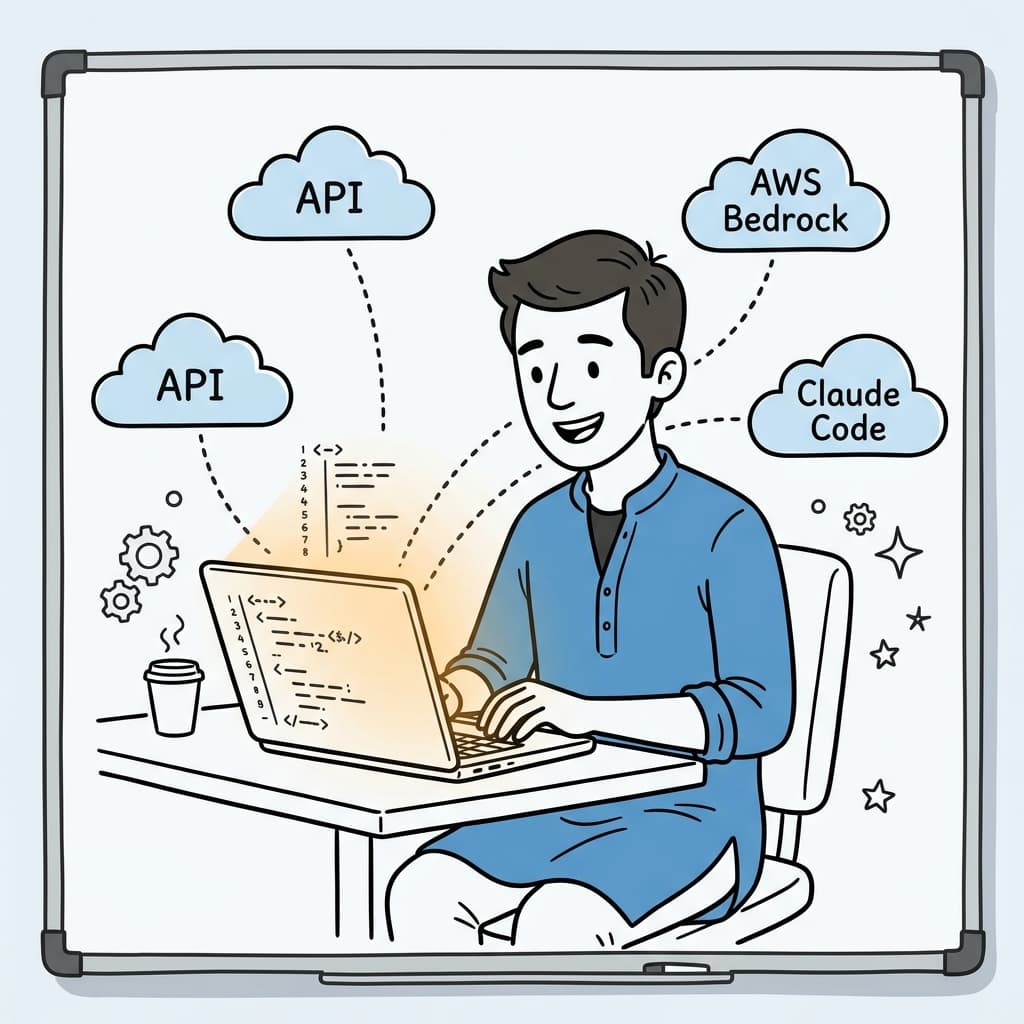
Here is the good news for Indian developers, startups, and curious students.
You don't need to be part of Project Glasswing to benefit from this technology. Claude Fable 5 is available right now, and here is how it can help people like you:
1. Build and Code Faster
Whether you are a freelancer building a client's website, a startup founder writing your first app, or a student learning to code — Claude Fable 5 can act as your coding partner. Use it via:
- Claude API or Claude Code directly from Anthropic
- AWS Bedrock if your team already uses Amazon's cloud
- Google Vertex AI or Microsoft Azure AI Foundry
It supports a 1 million token context window — meaning it can read and understand an entire large codebase in one go, like a human expert who has memorised your whole project.
2. Scan Your Own Apps for Security Flaws
Claude Security — currently in beta for Enterprise customers — lets businesses run AI-powered security scans on their own applications. If you run a startup or manage a small IT team, this means you can find vulnerabilities in your own product before anyone else does.
Think of it like having a security audit done by the world's sharpest expert, at a fraction of the cost and time.
3. Build AI-Powered Tools
With Claude's API, Indian developers can build:
- Customer support chatbots for e-commerce or banking
- Coding assistants tailored for regional languages or local use cases
- Automation tools that handle repetitive tasks for small businesses
The same AI that finds decade-old bugs in global software can help your startup ship better, safer products faster.
What About Regular People?
If you are not a developer — don't worry. You do not need to do anything. This technology is mostly working behind the scenes, making the apps and websites you already use every day much safer. The UPI apps, the e-commerce platforms, the banking portals — all of these run on software. And that software is quietly getting safer because of projects like Glasswing.
🌅 The Takeaway: Patching the Cracks Before Criminals Find Them

Picture a world where the cracks in our digital walls are found and fixed before criminals even know they exist. Where the code powering your phone, your bank, your hospital's records is actively, continuously checked by an AI that never sleeps.
That world is not a distant dream. It is being built right now, through projects like Glasswing, one bug at a time.
The story of Claude Fable 5 and Mythos 5 is not just a story about powerful AI. It is a story about using that power responsibly — with guardrails, with partnerships, and with the goal of making the digital world safer for everyone, everywhere.
And for those of you who are students, developers, or just curious minds reading this in India — this technology is within your reach. You can start exploring Claude's API or Claude Code today. Build something. Learn something. Because the next generation of secure, intelligent software might just be written by you.
📖 Glossary: Simple Explanations for Technical Terms
| Term | What It Means in Simple Words |
|---|---|
| AI Model | A computer program trained on massive amounts of text and data so it can answer questions, write code, and solve problems — like a very well-read assistant. |
| Vulnerability | A hidden flaw or weakness in software — like a crack in a wall that a burglar could use to sneak in. |
| API | A way for different software programs to talk to each other. Think of it as a menu at a restaurant: you choose what you want, and the kitchen (the software) prepares it for you. |
| Open Source | Software whose code is available for anyone to read, use, and improve — like a recipe that anyone can cook and make better. |
| Benchmark | A standard test used to compare how well different AI models perform — like a board exam that tells you which students scored highest in a subject. |
| Context Window | The amount of information an AI can "read" and "remember" in one conversation — a larger context window means it can handle bigger, more complex tasks at once. |
| Bug | An error or mistake in software code that causes it to behave unexpectedly — like a typo in a recipe that makes the dish come out wrong. |